Source New Engine Assembly For Veloster For Cars, Trucks, Buses
Find 30 verified listings for a new engine assembly for Veloster across diverse applications. Buyers can compare specifications, certifications, and pricing to identify the right supplier for automotive, industrial, or marine needs; compare the available evidence and request quotations based on your requirements.
Key considerations
Products List


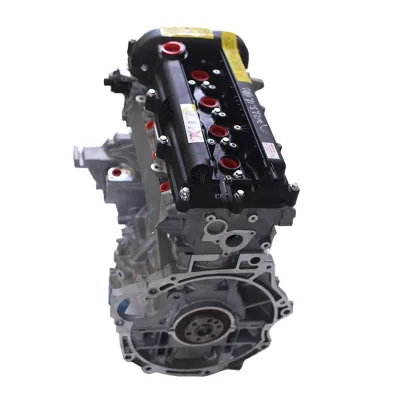
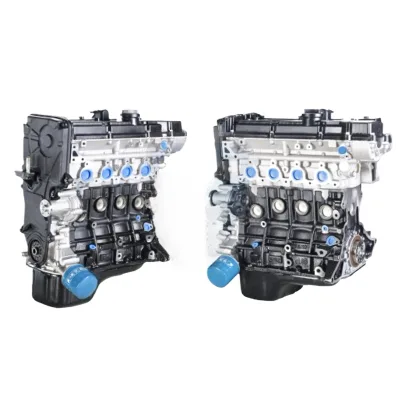

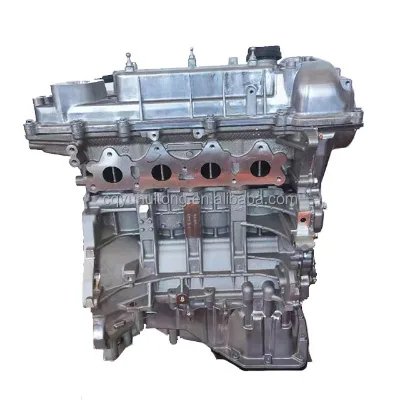
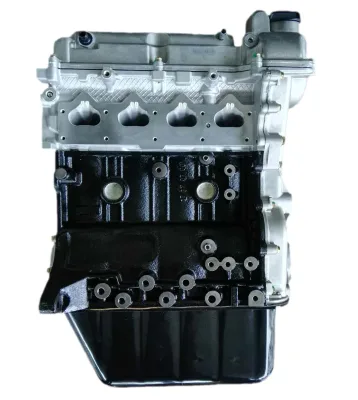


Comprehensive Sourcing Guide
New Engine Assembly for Veloster Sourcing Guide
Procuring a new engine assembly for a Hyundai Veloster requires navigating a complex global market where specific OEM compatibility is paramount. The available inventory often includes generic diesel and gasoline units, yet the Veloster typically demands a specific gasoline configuration with precise displacement and cylinder counts. Buyers must distinguish between genuine OEM replacements and aftermarket alternatives that may claim compatibility but lack the exact engineering tolerances required for the vehicle's electronic management system.
Verification of the engine's physical and electrical interface is the first critical step before any commercial commitment. Since the observed market includes engines with varying cylinder arrangements, such as L-type or flat configurations, and different fuel types like diesel or gasoline, the buyer must rigorously match the listing specifications to the Veloster's original equipment requirements. Failure to align these fundamental attributes can result in installation failures or immediate performance degradation, making precise model matching the primary filter for all potential suppliers.
Product Scope and Observed Listing Signals
The current market landscape for engine assemblies reveals a wide variance in product attributes, including models ranging from the TOYOTA series to specific units like the C15 and 336GC. While some listings highlight a "Silvery White" color and "Plastic Bag with Pallet" packaging, others specify "Wooden Box" or "Wooden Case" protection, indicating different shipping standards and handling requirements. Buyers must carefully scrutinize these listing signals to ensure the packaging is robust enough to protect the engine during international transit, especially given the heavy nature of the components.
Observed price ranges span from $1 to $70,000, reflecting the disparity between minor component replacements and complete engine assemblies. Minimum Order Quantities (MOQ) vary significantly, with some suppliers offering single units while others require orders up to 100 pieces. This volatility suggests that buyers should not rely on a single listing for pricing benchmarks but rather aggregate data from multiple sources to establish a realistic cost baseline for a genuine Veloster-compatible unit.
Technical Specifications to Verify
Technical verification must begin with the engine type, ensuring the unit is a combustion engine with the correct ignition mode, such as compression-ignition for diesel or spark-ignition for gasoline. The observed data includes engines with four-stroke cycles and specific cylinder counts like 4-cylinder or 6-cylinder arrangements, which must be cross-referenced against the Veloster's original design. Additionally, the cooling system must be confirmed as water-cooled, as air-cooled variants are incompatible with the vehicle's thermal management architecture.
Displacement and torque specifications are equally critical for performance matching. Listings indicate displacement ranges such as 2.1-2.5 L and maximum torque figures exceeding 400 Nm, but these values must be validated against the specific Veloster generation being serviced. Buyers should also verify the piston movement type, typically reciprocating, and ensure the intake pressure impulse, such as supercharging, aligns with the vehicle's turbocharger setup to maintain optimal power delivery and fuel efficiency.
Compliance and Safety Documentation
Compliance documentation serves as the primary evidence of a supplier's adherence to international manufacturing standards. The observed market includes certifications such as ISO9002, ISO9001, CCC, CE, and TS16949, which indicate a commitment to quality management and automotive industry-specific safety protocols. Buyers must request valid, up-to-date certificates for every engine unit to ensure that the product meets the regulatory requirements of the destination country, particularly regarding emissions and safety standards.
Emissions compliance is a non-negotiable aspect of engine procurement, with some listings citing discharge standards like Euro V. However, the specific emission standard required for the Veloster depends on the vehicle's manufacturing year and the local regulations of the import market. Buyers should verify that the engine's discharge standard matches or exceeds the legal requirements for their region to avoid registration issues or fines, ensuring that the documentation provided by the supplier is authentic and traceable.
Cost Drivers and Commercial Terms
The final cost of an engine assembly is driven by multiple factors, including the origin of the product, the complexity of the engine design, and the packaging requirements. Listings show origins in China, the UK, and Zibo, with packaging ranging from simple plastic bags to heavy-duty wooden cases. These logistical variables significantly impact the total landed cost, as heavier packaging and longer shipping distances from specific origins will increase freight charges and insurance premiums.
Commercial terms such as warranty duration and after-sales service availability are critical components of the total cost of ownership. Observed warranties range from 6 months to 1 year, and some suppliers explicitly state that after-sales service is provided. Buyers should negotiate these terms carefully, as a longer warranty period and robust support network can mitigate the financial risk associated with engine failure, effectively reducing the long-term cost of the procurement despite a potentially higher initial purchase price.
Supplier Qualification and Quality Control
Supplier qualification requires a deep dive into the manufacturer's production capabilities and quality control processes. The presence of standards like G3000 and Genuine/OEM designations suggests a level of manufacturing rigor, but buyers must independently verify these claims through factory audits or third-party inspections. It is essential to confirm that the supplier has a proven track record of producing engines that meet the specific dimensional and performance tolerances required for the Veloster platform.
Quality control extends beyond the initial inspection to include testing protocols for critical components like the cylinder block and piston assembly. Buyers should request detailed test results for compression, torque, and cooling efficiency to ensure the engine performs reliably under load. Given the observed variety in cylinder arrangements and fuel types, a rigorous quality assurance process is necessary to filter out units that may appear compatible on paper but fail to deliver the expected performance in real-world driving conditions.
Long-Term Procurement Checks
Establishing a long-term procurement strategy involves regular performance monitoring and supplier relationship management. Buyers should implement a system to track engine performance over time, noting any recurring issues related to cooling, fuel consumption, or mechanical wear. This data-driven approach allows for the early identification of quality trends and provides leverage when negotiating future contracts or requesting improvements from the supplier.
Continuous verification of supplier compliance and certification status is also vital for maintaining supply chain integrity. As regulations evolve, suppliers must adapt their production processes to meet new standards, and buyers must ensure their partners remain compliant. Regular audits and performance reviews help mitigate the risk of supply disruptions and ensure that the engine assemblies continue to meet the high standards required for the Veloster, securing a reliable source of parts for future maintenance and replacement needs.
FAQs
What customization options are available for new engine assembly for veloster?
Customization is available for the new engine assembly for veloster to meet specific buyer requirements. The product supports various configurations including different cylinder arrangements and fuel types. Buyers can request specific packing methods like wooden boxes or plastic bags with pallets to suit their logistics needs.
Which certifications do new engine assembly for veloster manufacturers hold?
Manufacturers of the new engine assembly for veloster hold ISO9002, ISO9001, CCC, CE, and TS16949 certifications. These standards ensure quality management and safety compliance for the combustion engines. Buyers can verify these credentials to confirm the reliability and adherence to international production standards for the engine units.
How is the new engine assembly for veloster cooled and what is its stroke type?
The new engine assembly for veloster features water-cooled cylinders and operates on a four-stroke cycle. It utilizes a reciprocating piston movement with compression-ignition for diesel fuel or electric start for gasoline variants. This design ensures efficient thermal management and reliable performance across various operating conditions.
Can I find new engine assembly for veloster with specific cylinder counts?
Yes, the new engine assembly for veloster is available in 4-cylinder and 6-cylinder configurations. Some models feature an L-shaped cylinder arrangement while others are flat engines. Buyers can select the specific cylinder count that matches their vehicle requirements and performance expectations.
What warranty periods are offered for new engine assembly for veloster?
Warranty periods for the new engine assembly for veloster typically range from 6 months to 1 year. After-sales service is provided to support buyers during this coverage period. Specific terms may vary by supplier, so buyers should confirm the exact duration and scope of the warranty before purchase.
Where are new engine assembly for veloster products manufactured?
New engine assembly for veloster products originate from locations such as Zibo, China, and the UK. The main market covers all of the world, indicating global distribution capabilities. Buyers can source these engines from verified suppliers in these regions to ensure authentic and compliant products.
What packaging methods are used for new engine assembly for veloster?
Packaging for the new engine assembly for veloster includes plastic bags with pallets, wooden boxes, and brand packages. These methods protect the engine during transit and storage. Buyers can request specific packaging standards to ensure the product arrives in optimal condition for installation.